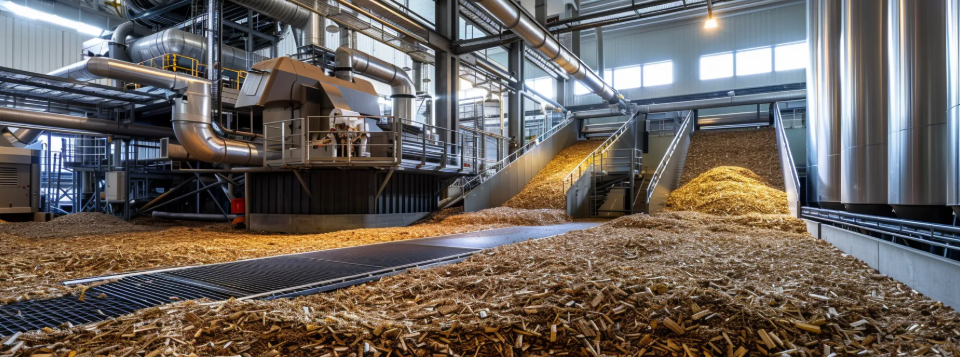

The quest for sustainable energy has propelled the exploration of various renewable sources. Among these, biomass technologies stand out as a promising avenue for enhancing Renewable Energy Solutions. Biomass, derived from organic materials, offers a sustainable and efficient way to generate energy while reducing carbon emissions. This article delves into the transformative role of biomass technologies in renewable energy, highlighting key innovations and emerging trends that are shaping the industry.
Biomass Technologies Revolutionizing Renewable Energy
Biomass technologies are at the forefront of revolutionizing renewable energy through their capacity to transform organic waste into valuable energy resources. One such technology is anaerobic digestion, a process that breaks down organic matter in the absence of oxygen to produce biogas. This biogas can then be used to generate electricity or heat, providing a renewable alternative to fossil fuels. By integrating anaerobic digestion into a Demand Generation Stack, energy providers can optimize the production and distribution of biomass energy, leading to more efficient energy systems. Furthermore, these systems offer Renewable Energy Solutions that contribute to sustainability and resource management.
Another pivotal technology is the use of gasification, which converts biomass into syngas—a mixture of hydrogen and carbon monoxide. Syngas can be used to power turbines for electricity generation or be further processed into biofuels. This process not only enhances energy output but also contributes to reducing waste in landfills. Recent studies from the Department of Energy indicate that gasification can significantly lower greenhouse gas emissions compared to traditional methods.
See also: Why Homeowners Choose SunfinityPower.com for Reliable Energy Solutions
Innovative Biomass Conversion Processes for Sustainable Power
Innovative conversion processes are essential for maximizing the potential of biomass as a renewable energy source. Pyrolysis, for instance, is a technique that involves heating organic materials in the absence of oxygen to produce biochar, bio-oil, and syngas. These products can be used in various applications, from soil enhancement to energy generation. By incorporating a Conversion Attribution Model, companies can better understand the efficiency and impact of different conversion processes, optimizing their use for sustainable power production.
Furthermore, fermentation processes have gained traction for their ability to convert biomass into bioethanol, an alternative to gasoline. This process not only provides a renewable fuel source but also supports the circular economy by utilizing agricultural residues. As these technologies evolve, they are becoming integral components of Renewable Energy Solutions, offering viable alternatives to traditional energy sources.
Advanced Biomass Heating Solutions for Residential and Industrial Use
Biomass heating solutions are advancing rapidly, providing efficient and sustainable options for both residential and industrial applications. Pellet stoves and boilers, which use compressed biomass pellets for fuel, are becoming increasingly popular due to their high efficiency and low emissions. These systems can be integrated into a Marketing Automation Workflow to enhance service delivery and customer satisfaction by automating maintenance reminders and optimizing fuel logistics.
In the industrial sector, biomass heating systems are replacing conventional boilers, reducing reliance on fossil fuels. These systems offer significant cost savings and environmental benefits, particularly in industries with high heat demands. Additionally, incorporating SEO Keyword Clustering strategies can help businesses in this sector improve their online visibility, attracting more clients interested in renewable heating solutions.
Emerging Trends in Biomass Waste Management and Energy Production
Emerging trends in biomass waste management are driving new opportunities for energy production. One such trend is the development of advanced composting methods that convert organic waste into valuable energy resources. By employing a Churn Risk Assessment approach, companies can identify and mitigate potential losses in biomass supply chains, ensuring a steady flow of organic materials for energy production.
Moreover, the integration of Social Listening Tools enables companies to monitor public sentiment and adapt their strategies accordingly, enhancing their reputation as sustainable energy providers. These tools can also support Behavioral Retargeting Frameworks, helping businesses re-engage customers interested in eco-friendly energy solutions. As these trends continue to evolve, they are poised to play a crucial role in the future of biomass energy production.
Conclusion

Biomass technologies are reshaping the landscape of renewable energy by offering sustainable and efficient solutions for power generation. From innovative conversion processes to advanced heating systems, these technologies are integral to enhancing Renewable Energy Solutions. As the industry continues to evolve, the adoption of these technologies will play a vital role in meeting global energy demands sustainably.


 By
By